On July 30, 2025 local time, U.S. President Trump announced that a 25% tariff would be imposed on Indian products starting from August 1, while pressuring India to stop purchasing Russian weapons and energy. However, India stated that it would continue to import oil from Russia.
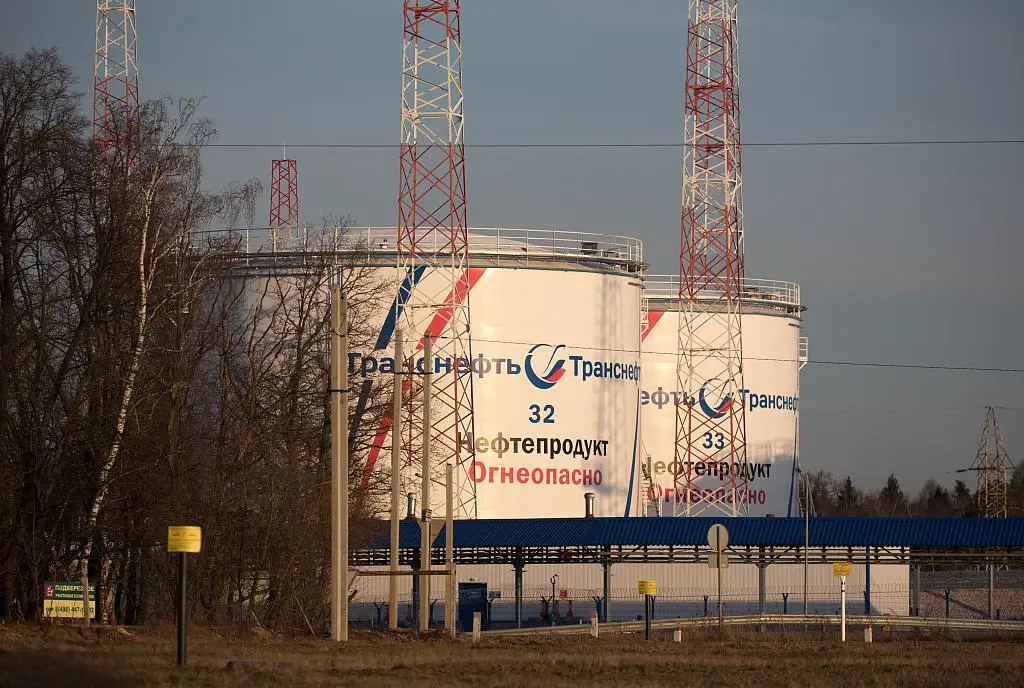
On August 1, Trump claimed to have heard that India would no longer buy oil from Russia. But later the same day, two anonymous senior Indian officials said that the Indian government’s policy had not changed, and the government “had not instructed oil companies to reduce imports from Russia.” One of the informed officials said: “These are long-term oil contracts, and purchases cannot be stopped overnight.”
Sources from the Indian government confirmed that Indian refineries are still continuing to purchase Russian crude oil, which is determined by economic factors such as price and transportation. As the world’s third-largest energy consumer, India’s dependence on crude oil imports is as high as 85%, while Russia, as the world’s second-largest crude oil producer and exporter, can provide India with reasonably priced energy. In addition, India and Russia maintain a “stable and time-tested partnership,” and the two countries are deeply interdependent in multiple strategic fields such as energy, military affairs, nuclear energy, and high-level diplomacy. This also makes it impossible for India to easily change its policy of purchasing oil from Russia due to U.S. pressure.