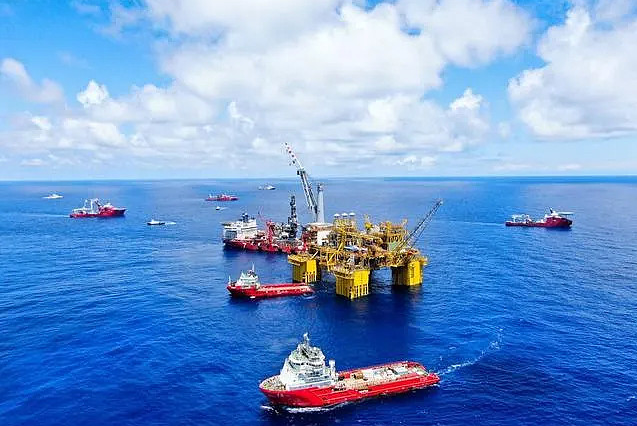
The blue economy refers to a development model that promotes economic growth, improves livelihoods, and creates jobs through the sustainable use of marine resources while protecting the health of marine ecosystems. The European Commission has expanded its scope to include all economic activities related to the ocean and coastline.
The concept of the blue economy is rooted in the principles of sustainable development. As international exchanges deepen and related research continues to advance, the profound implications of this concept are becoming increasingly evident. In case studies of the blue economy, interdisciplinary and multidisciplinary collaboration is particularly crucial, especially in the integrated application of different disciplines, which often yields breakthrough insights.
Coastal regions and oceans are among the most productive ecosystems on Earth, providing a range of services that directly or indirectly support economic activities and growth. These services span multiple dimensions: from mitigating natural disasters, regulating climate, stabilizing coastlines, to achieving carbon sequestration; from supplying wild fishery resources to developing renewable energy sources such as wind power, wave energy, and offshore oil; and supporting the development of maritime trade and tourism. These services collectively form the foundation of global marine economic activities, estimated to be worth between 3 and 5 trillion US dollars annually. In some East Asian countries, the contribution of the marine economy to GDP has reached 15%-20%.
Despite the immense potential and opportunities inherent in the blue economy, it also faces numerous severe challenges. Overfishing has led to the depletion of marine fishery resources, with fish populations in many traditional fishing grounds declining sharply, threatening the livelihoods of fishermen and disrupting the balance of the marine food chain. Marine pollution is equally concerning, with industrial wastewater, domestic sewage, and plastic waste from land-based sources flooding into the ocean, severely damaging the living environment of marine organisms. Some areas have even developed “dead zones,” with degraded ecosystem functions. Additionally, the unregulated expansion of coastal development and construction activities, such as land reclamation and port construction, has altered the natural form of coastlines, destroyed important habitats like coastal wetlands and mangrove forests, and exacerbated the vulnerability of marine ecosystems.
To address these challenges, governments and international organizations have implemented a series of measures to promote the healthy development of the blue economy. At the policy level, relevant laws and regulations have been established and improved to strengthen the protection and management of marine resources. For example, strict fishing quota systems have been set to limit overfishing; marine protected area networks have been established to designate specific zones where human activities are prohibited or restricted, thereby protecting endangered species and their habitats. Concurrently, research and development investments have been increased to enhance understanding of marine ecosystems, providing a scientific basis for decision-making. Through advanced technologies such as satellite remote sensing and underwater detection, real-time monitoring of changes in the marine environment is conducted to assess the impact of human activities on the ocean, enabling timely adjustments to management strategies.
Technological innovation also plays a crucial role in the development of the blue economy. In the field of marine renewable energy, new types of wind turbines and tidal power generation devices are emerging, improving energy conversion efficiency and reducing costs, making large-scale development and utilization of marine renewable energy feasible. The development of seawater desalination technology provides stable freshwater supplies for coastal regions, alleviating water scarcity pressures. In marine agriculture, the application of intelligent aquaculture systems enables precise control over water quality, feed distribution, and other processes, improving aquaculture yields and quality while reducing reliance on wild resources.
Education and public awareness are also key factors in achieving sustainable development of the blue economy. Through marine science popularization campaigns, marine culture festivals, and other activities, public awareness of the importance of the ocean is enhanced, and environmental awareness and a sense of responsibility are cultivated. Universities and research institutions are encouraged to offer relevant professional courses to cultivate interdisciplinary professionals and provide intellectual support for the development of the blue economy. Enterprises should also actively fulfill their social responsibilities, participate in marine ecological protection projects, promote the construction of green supply chains, and integrate sustainable development concepts into all aspects of production and operation.
展望未来,随着全球对气候变化问题的日益关注和科技的不断进步,蓝色经济有望迎来更广阔的发展前景。各国之间的合作将日益紧密,共同探索海洋资源的可持续利用模式,分享经验和技术成果。通过建立全球海洋治理体系,加强国际合作与协调,我们可以更好地应对跨境海洋环境问题,实现海洋经济的互利发展。此外,人工智能、大数据等新兴技术将在海洋监测、资源管理和产业升级等方面发挥重要作用,进一步提升蓝色经济发展的质效。综上所述,蓝色经济作为一种新的发展理念和模式,将为人类社会的可持续发展注入强大的动力,引导我们走向人类与海洋和谐共生的美好未来。


